R.B.
Female · 38
SERUM FERRITIN
Ref 15 - 150 ng/mL
BEFORE
Jan 20, 2026
13
ng/mL
LOW→
AFTER 12 WEEKS
Apr 14, 2026
52
ng/mL
IN RANGEStarted just under the range, finished comfortably inside it.
Exhausted, Shedding, Freezing? One Number Explains It.
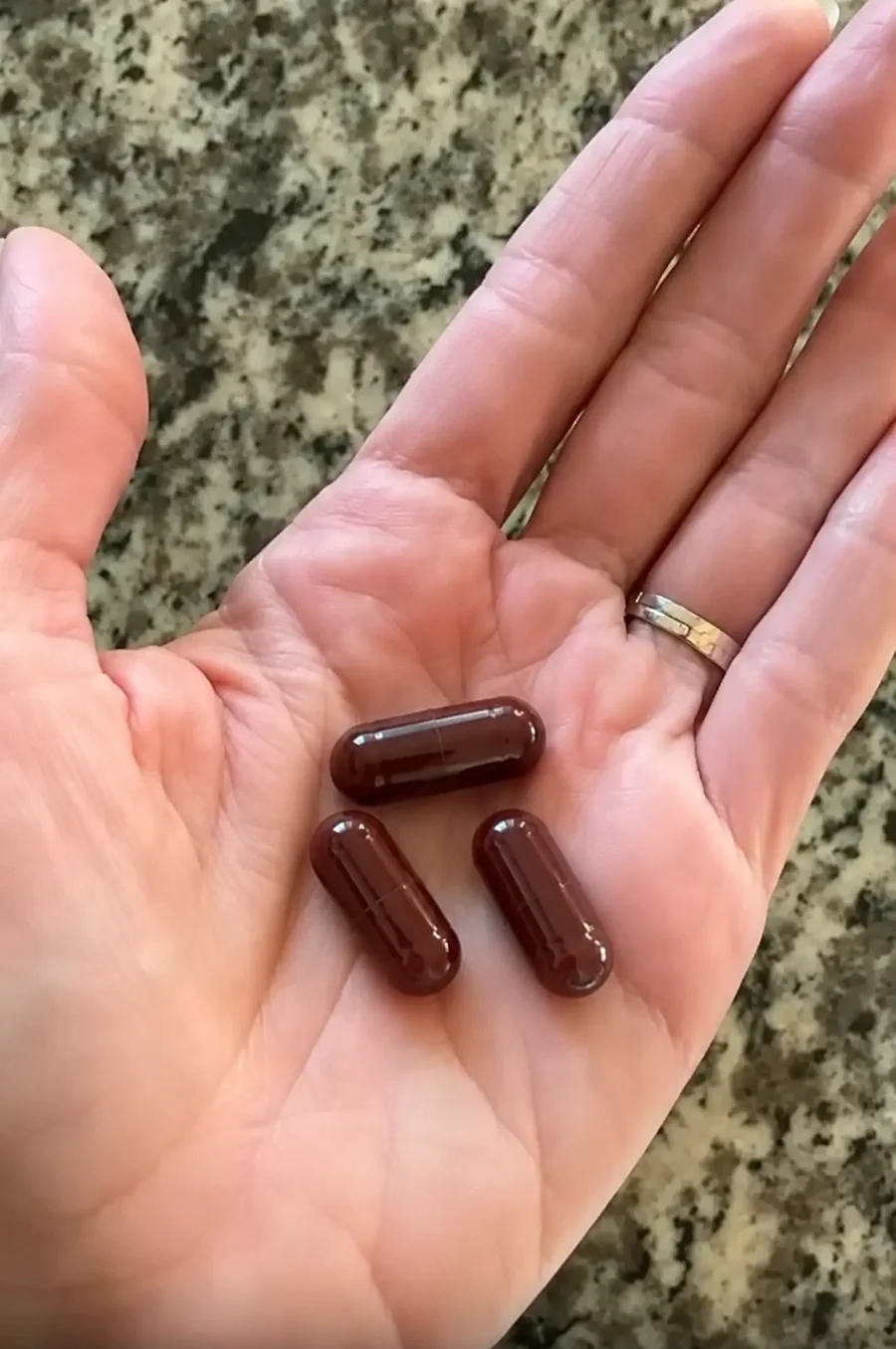
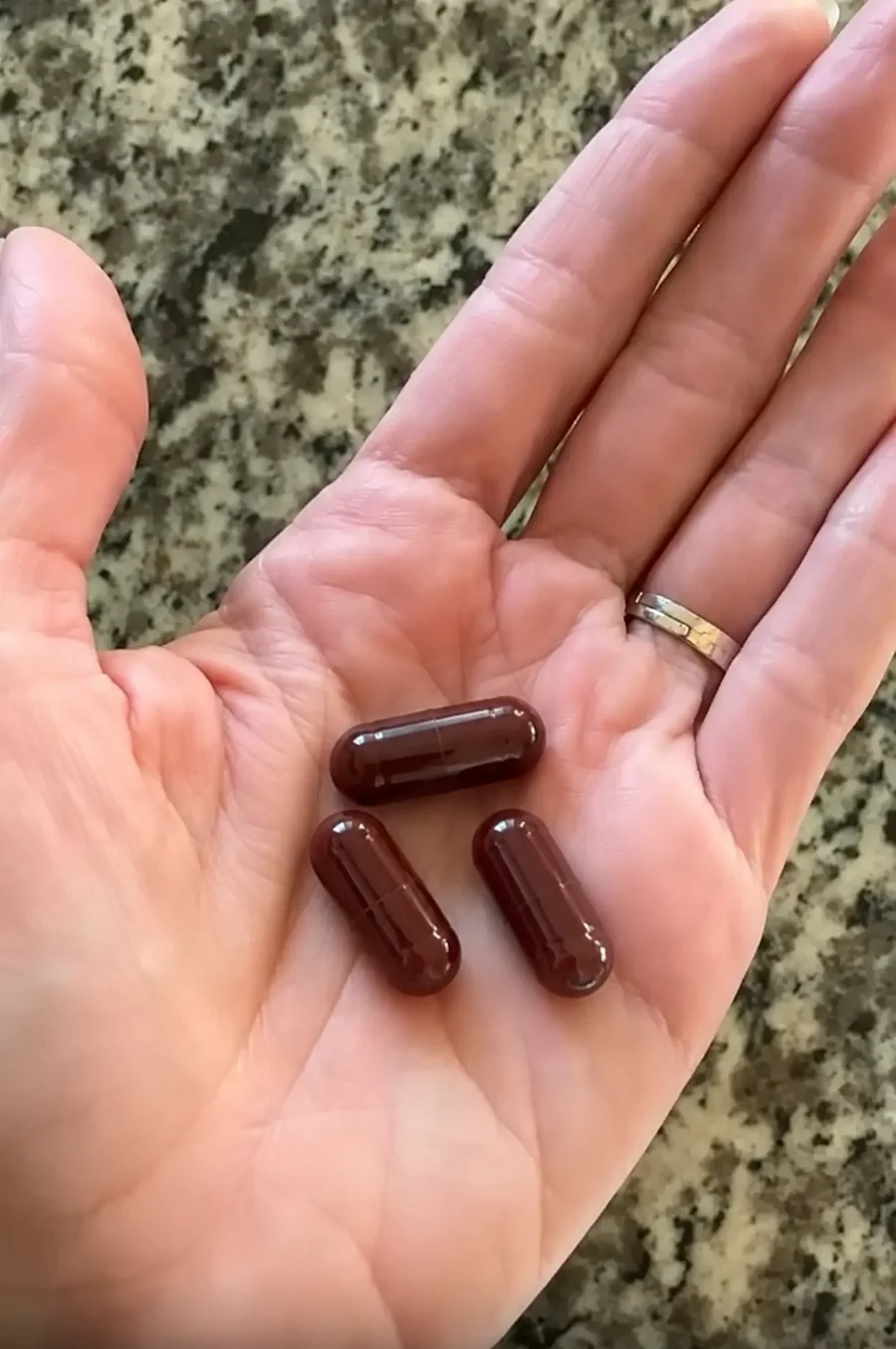
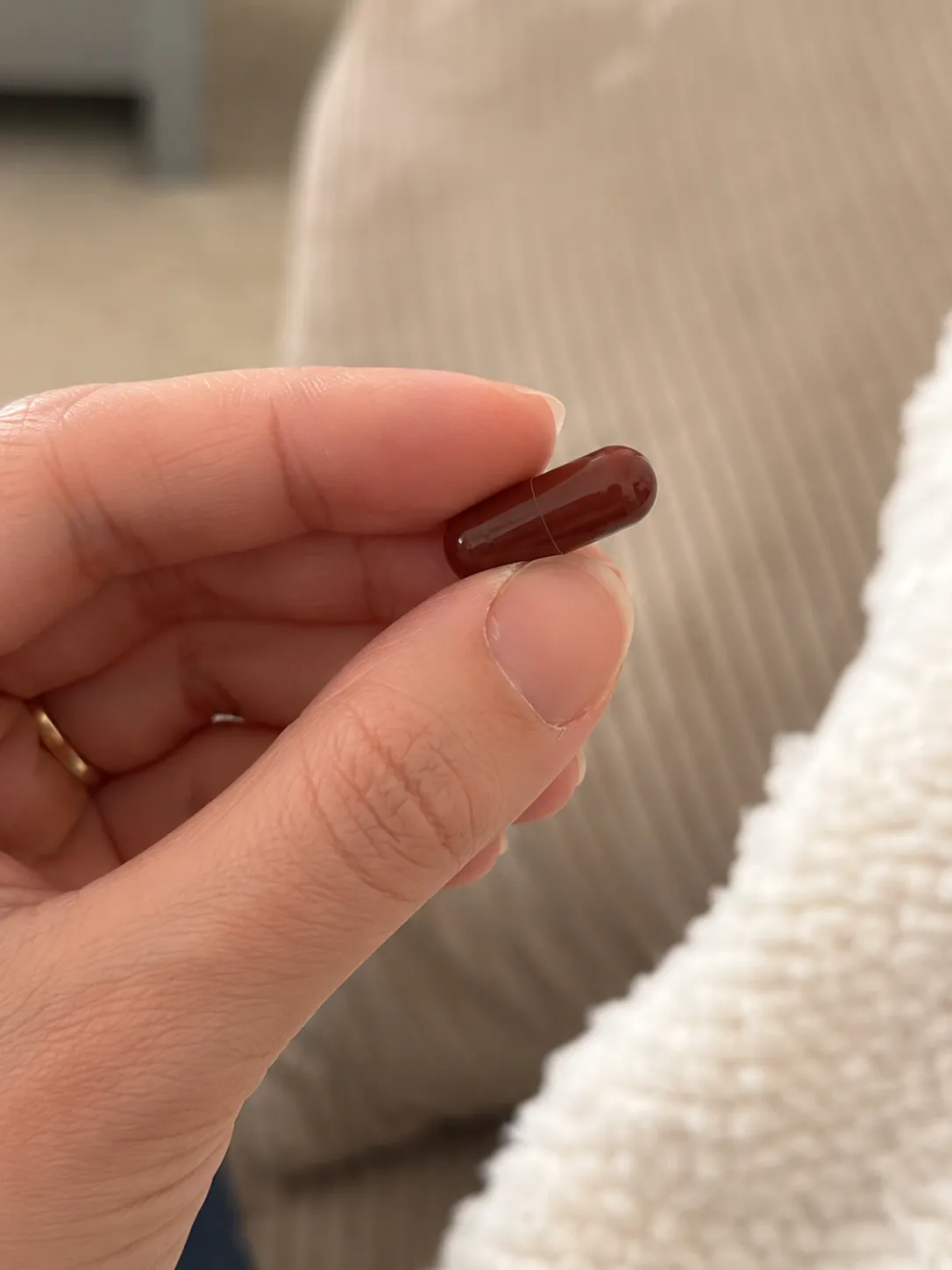
Ferritin is your iron savings account, and most women have never had it measured. all feams Ferritin & Iron Complex rebuilds that reserve with lactoferrin, gentle chelated iron and the cofactors that put iron into storage instead of straight through you. One small capsule a day. Then go get retested.



"My ferritin sat at 11 for two years and nobody flagged it. I retested at twelve weeks and it read 58."



4433+ sold in the last 24 hours
You Were Never Lazy. You Were Running on Empty
Say Goodbye To:
Rebuild the Reserve, Then Prove It on Paper
Hemoglobin tells you whether you are bleeding today. Ferritin tells you what is left in the tank. Almost every woman has only ever been shown the first one, which is exactly why she gets sent home with a shrug and no plan.
It works through the Ferritin Micro-Restore System™, which does three things in a strict order: absorb the iron, carry it, and bank it where your body can draw on it for months.

Lactoferrin escorts iron into storage, which is the step cheap pills never touch.

When reserves run dry your body defunds hair before anything else. Refill the reserve and it gets funded again.

Iron with B12 and methylfolate rebuilds the red cells that carry oxygen into every hour of your day.

Copper switches on the enzyme that locks iron away, so the level holds instead of sliding back.

You cannot photograph a reserve. You can measure it. That is the whole advantage of ferritin over every before and after picture you have ever scrolled past: it is a number, it sits against a printed range, and twelve weeks later it either moved or it did not.
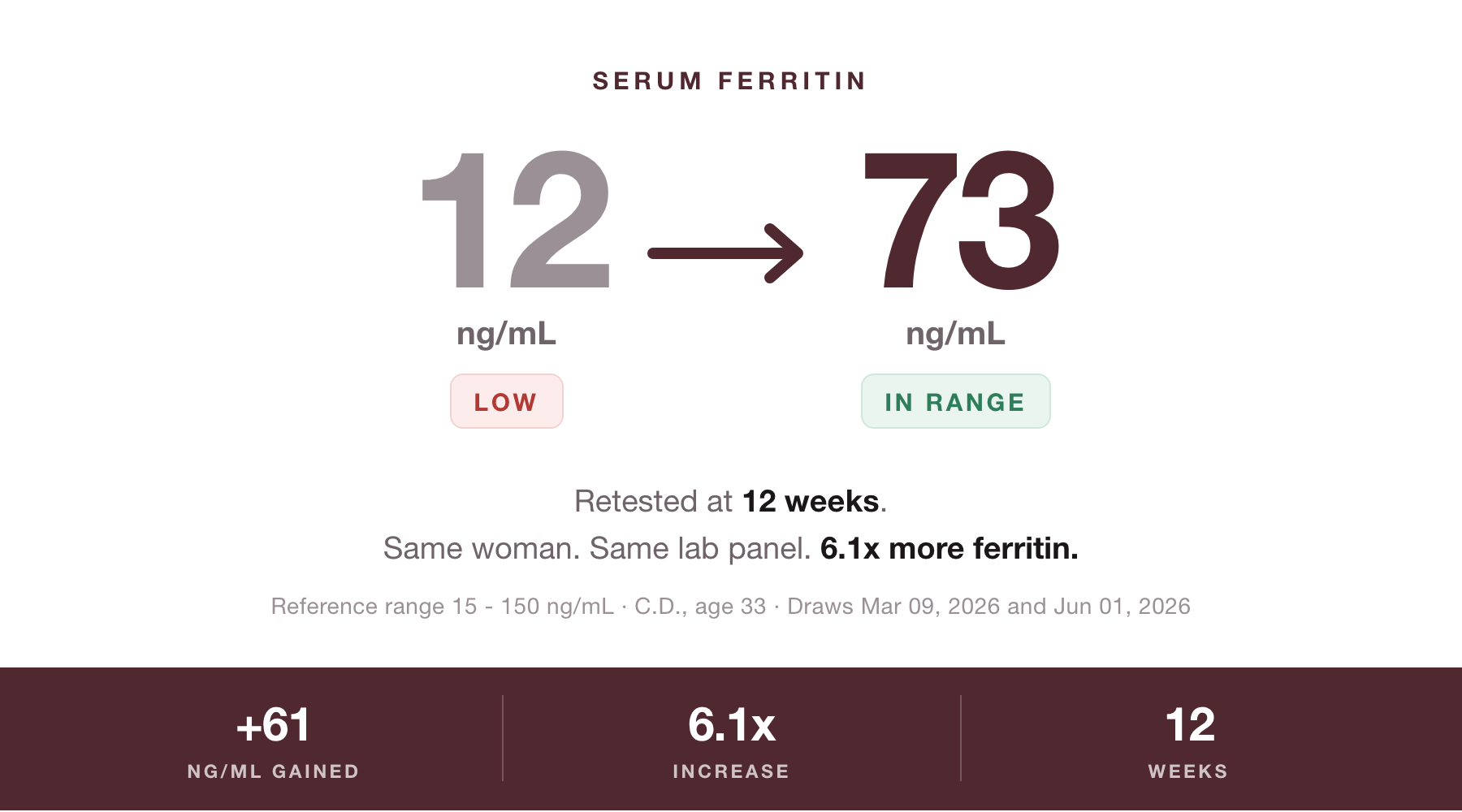
One woman, one lab panel, two draws twelve weeks apart. Below the range, then inside it.
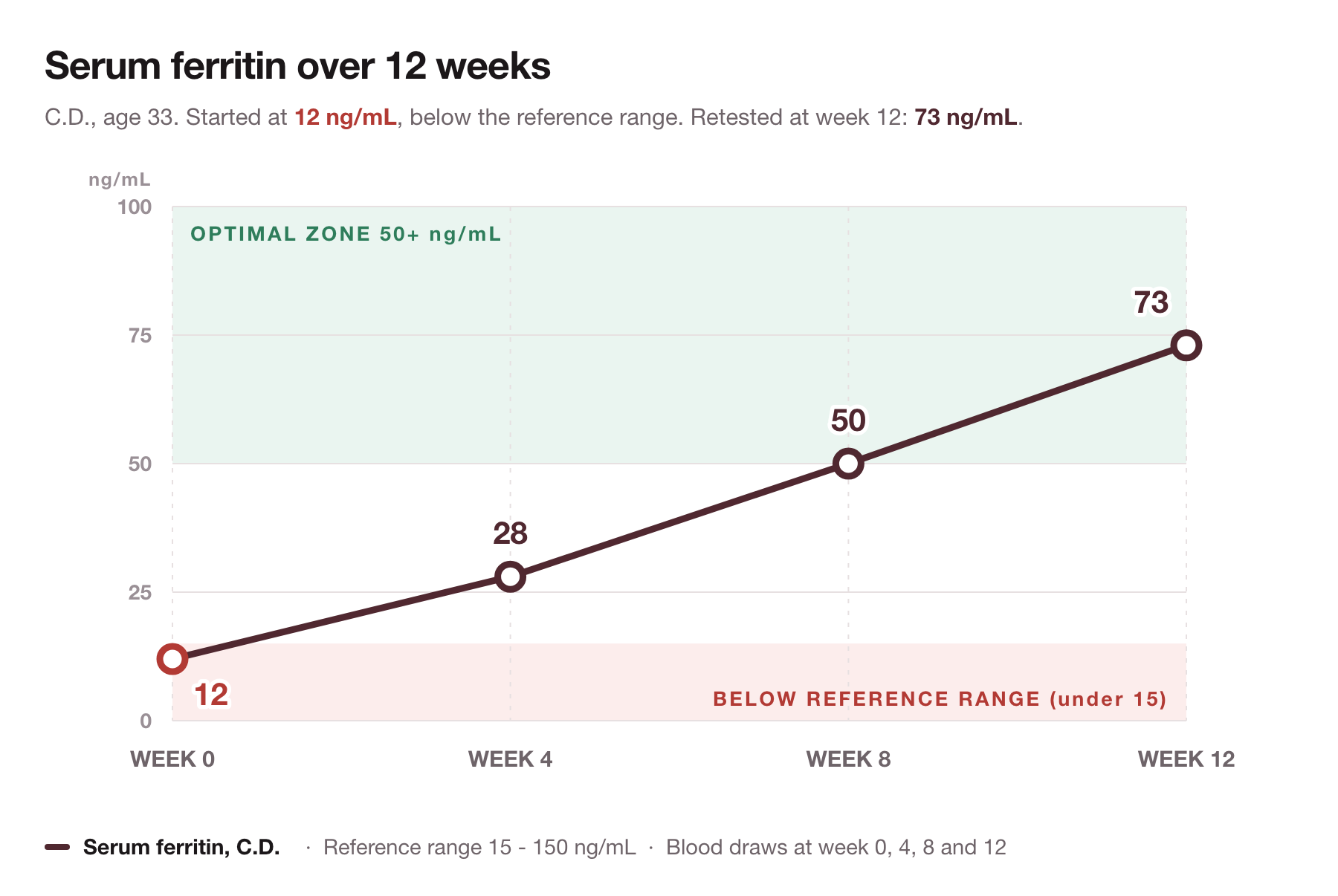
The same woman, drawn at weeks 0, 4, 8 and 12. Nothing dramatic happens in the first fortnight. That is normal, and it is why we ask you to retest at twelve weeks rather than two.
Started just under the range, finished comfortably inside it.

Her hemoglobin was already normal at the start. Her reserve was not. This is the panel most women are handed, and told they are fine.

Iron saturation moved with the ferritin, from 12 percent to 30.

The same panel as the reading at the top of this section, and the same woman as the curve above.

Deep in the red at the start, which is where a lot of women live for years without being told.

The biggest move in the set, and the rarest. Most women land closer to the first two panels.

All six started below the reference range. All six finished inside it. The group average went from 9 to 68 ng/mL.
Read this before you read the numbers. These are illustrative laboratory panels showing what a twelve-week retest can look like when ferritin is rebuilt. They are not a clinical trial, and they are not a named customer file. Your own two numbers are the only ones that count, which is exactly why we keep telling you to go and get them.
Iron deficiency does not have one face, which is precisely why it gets missed so often. See which of these is yours. They all end at the same blood test.
You go to bed early and wake up flattened. The wall lands at two in the afternoon and you have started building your week around it. You lose the end of your own sentences and call it stress.
You have the printout. Someone glanced at it and told you it was fine. A reference range is built to catch anemia, not to tell you whether you have anything left in reserve. Those are two different questions and only one of them was asked.
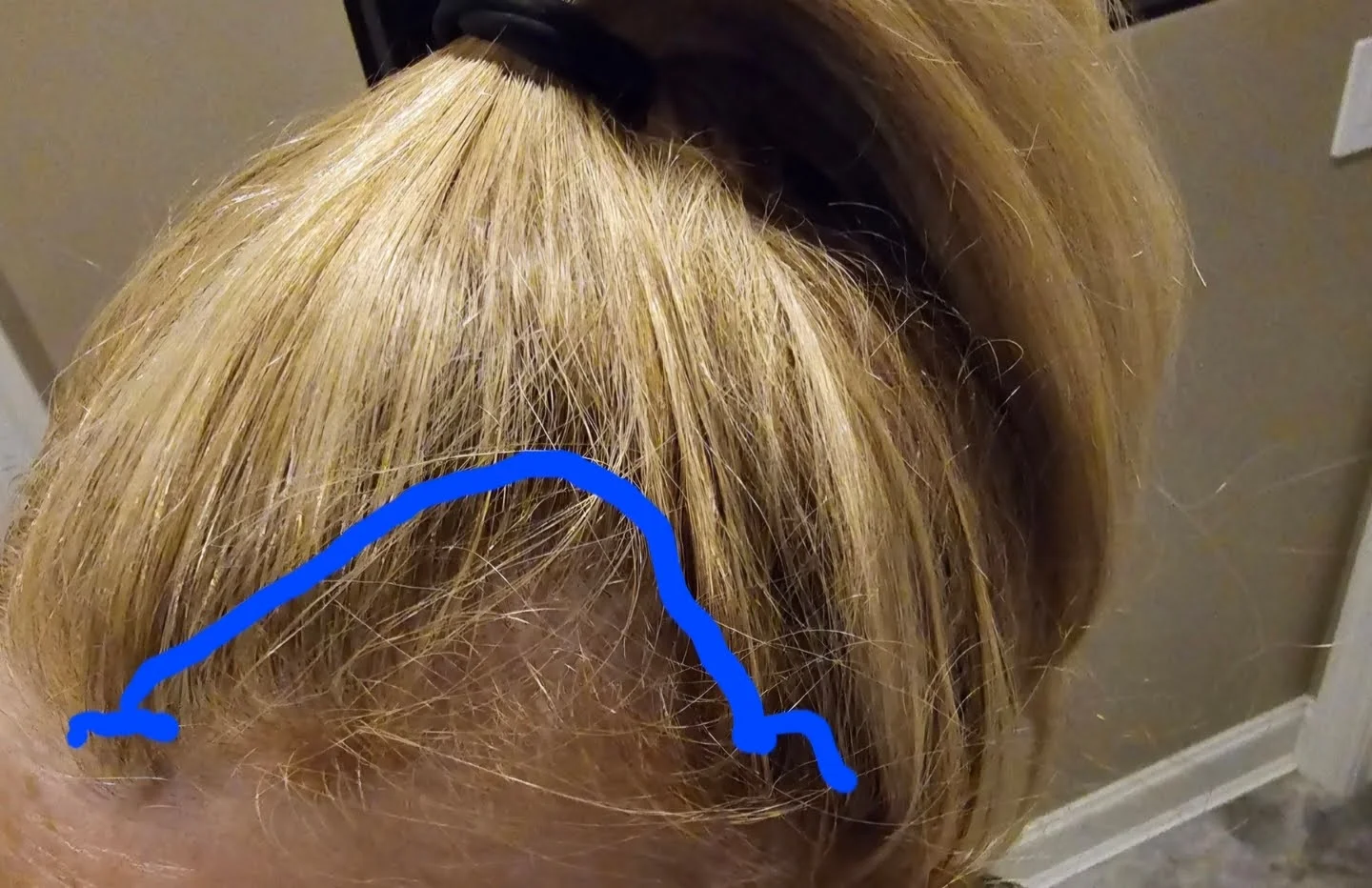
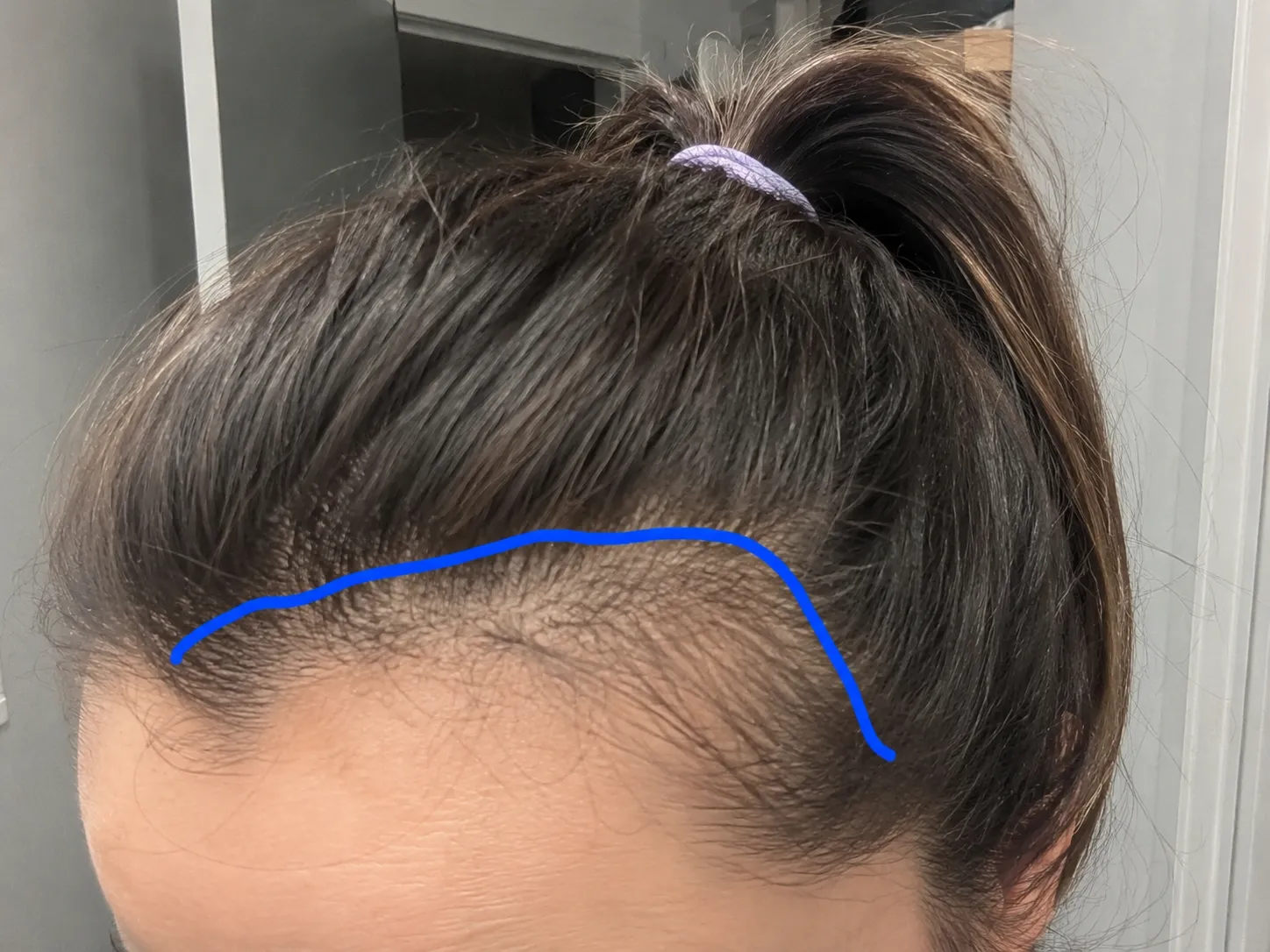
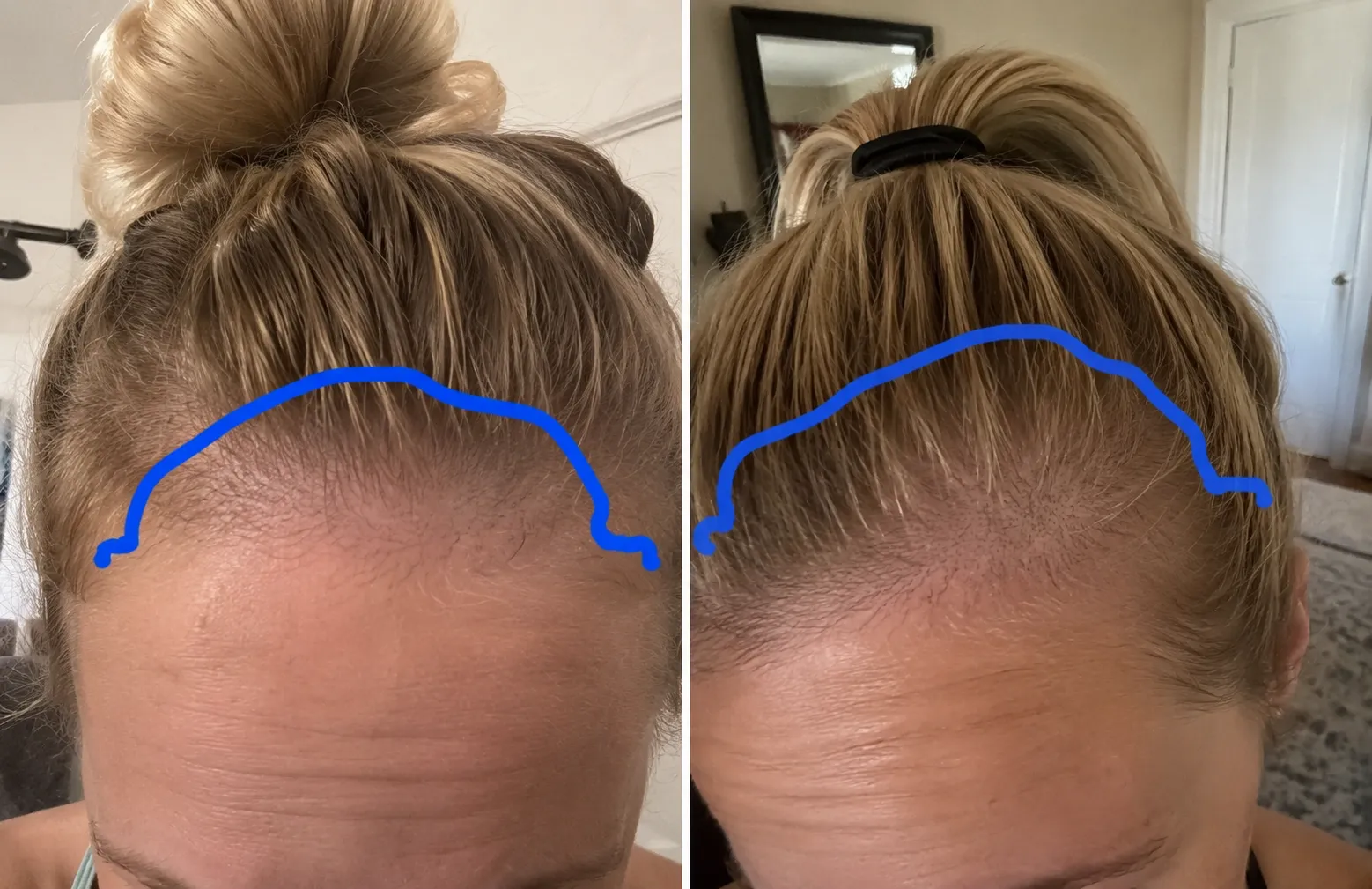
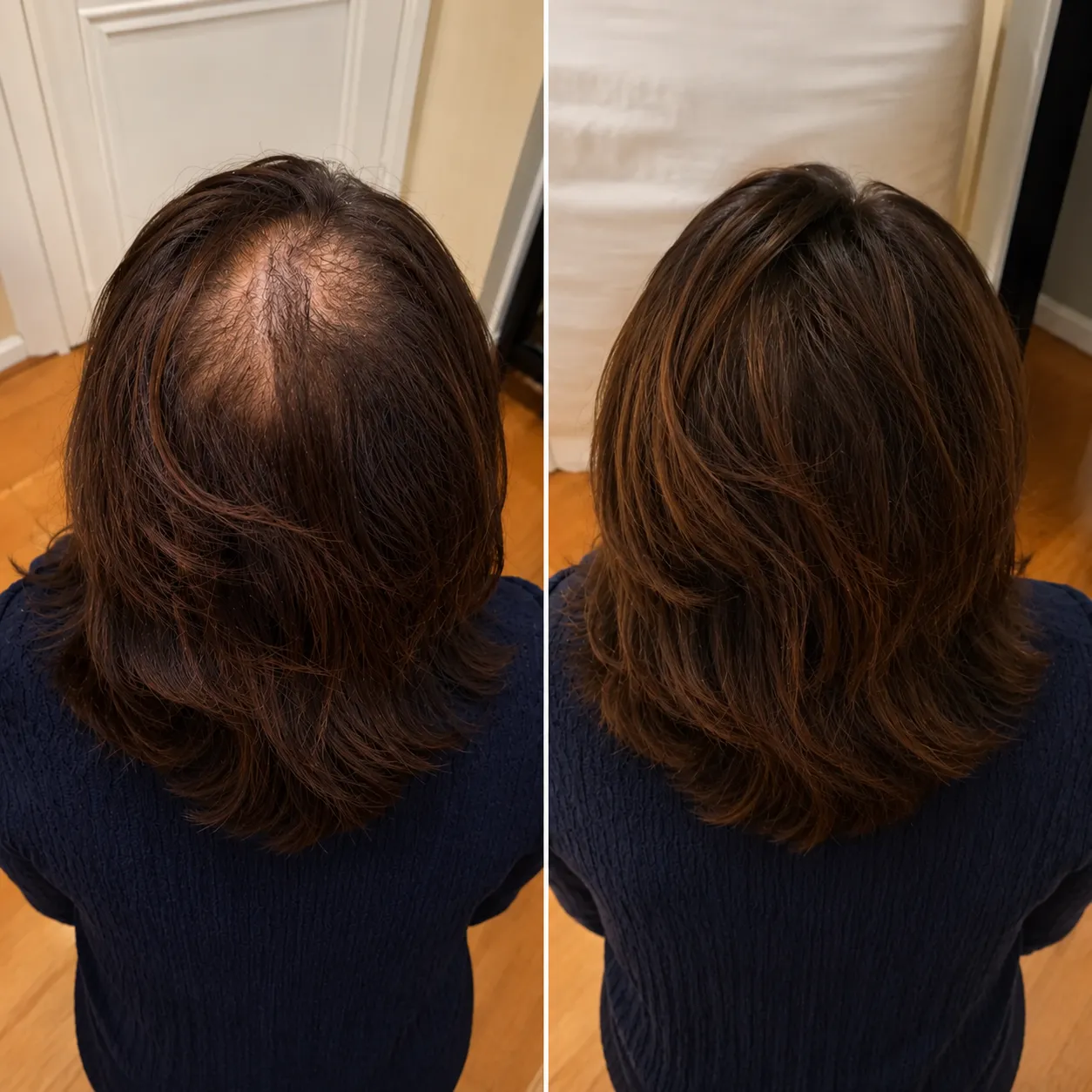
The drain, the widening part, the ponytail that lost half its thickness. It is a real signal, and it is the last thing to recover, because your body funds hair after it has funded everything that keeps you alive.
Nine months of handing over your reserve, a delivery that takes more, and then months of nobody checking what is left. Six weeks postpartum, most women get asked about their mood and never about their ferritin.
You lose more than you rebuild, and the maths never catches up. One week of every four written off. There is nothing mysterious about it, and there is nothing wrong with you.
Surgery on the calendar, a donation you were turned away from, an infusion you have been offered or want to avoid. Here the number is not about comfort. It is a green light or a red one.
Every one of them was told at some point that her body was the problem. None of them was right about that. They had the wrong form of iron, or iron with nothing to put it away.
Swipe through the order your body actually follows.
"My stairs stopped being a decision. I am 52 and I had quietly decided that was just my age now."
"Ferrous sulfate, gummies, liquid iron that tasted like coins. This is the first one my stomach did not fight."

"Two heavy weeks a month for fifteen years. This is the first cycle that did not flatten me for days afterwards."

"I started at 9. My retest came back 61 and my doctor asked what I had changed."

"I six weeks postpartum I could not carry the baby upstairs without stopping. Nobody had checked my ferritin once during the whole pregnancy."

" The shedding was the last thing to turn around, exactly as they said. Month four and the front is filling in too. "

"Surgery in ten weeks and my ferritin was 7. I needed it up, and it went up. No infusion needed."


Four parts, one job: get iron in, keep it moving, and put it away where your body can spend it later.
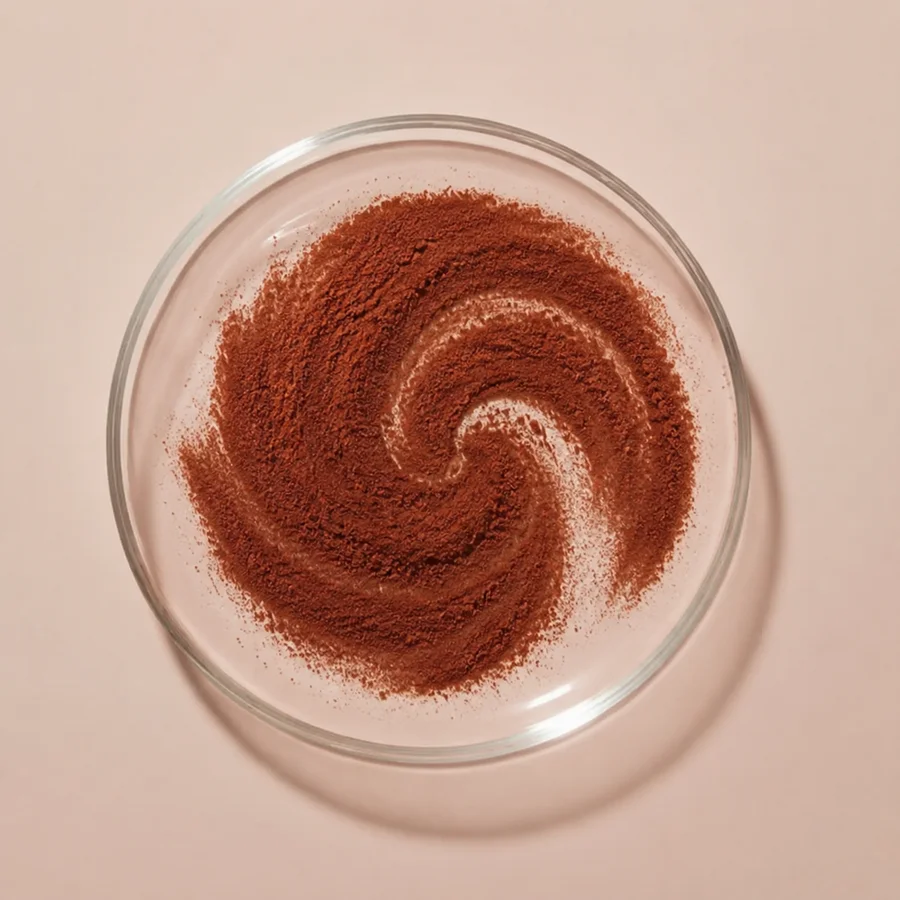
The part almost nobody else puts in the jar
Lactoferrin is an iron-binding protein studied for its ability to support serum iron, hemoglobin and ferritin with less digestive distress than ferrous sulfate. The iron-deficiency forums found it years before the supplement aisle did. It is derived from milk, so skip this one if you have a dairy allergy.
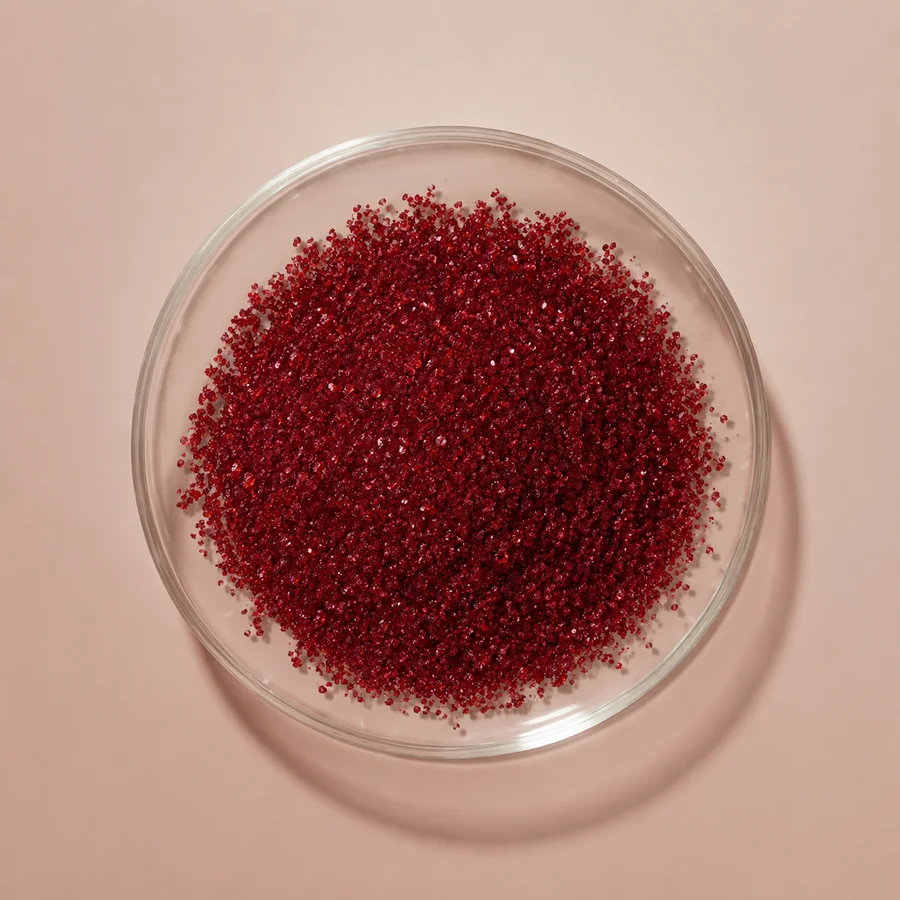
The form that lets you stay on it long enough to matter
Ferrous bisglycinate is chelated, which means it travels a different absorption route than ferrous sulfate and does not flood your gut with loose iron. That is the whole reason it is tolerable, and tolerance is what decides whether you are still taking it in week ten.

The two that decide whether iron gets stored or wasted
Vitamin C holds iron in the state your gut is able to absorb. Copper switches on the enzyme that loads it away. Leave either one out and you are swallowing iron that never reaches the reserve.
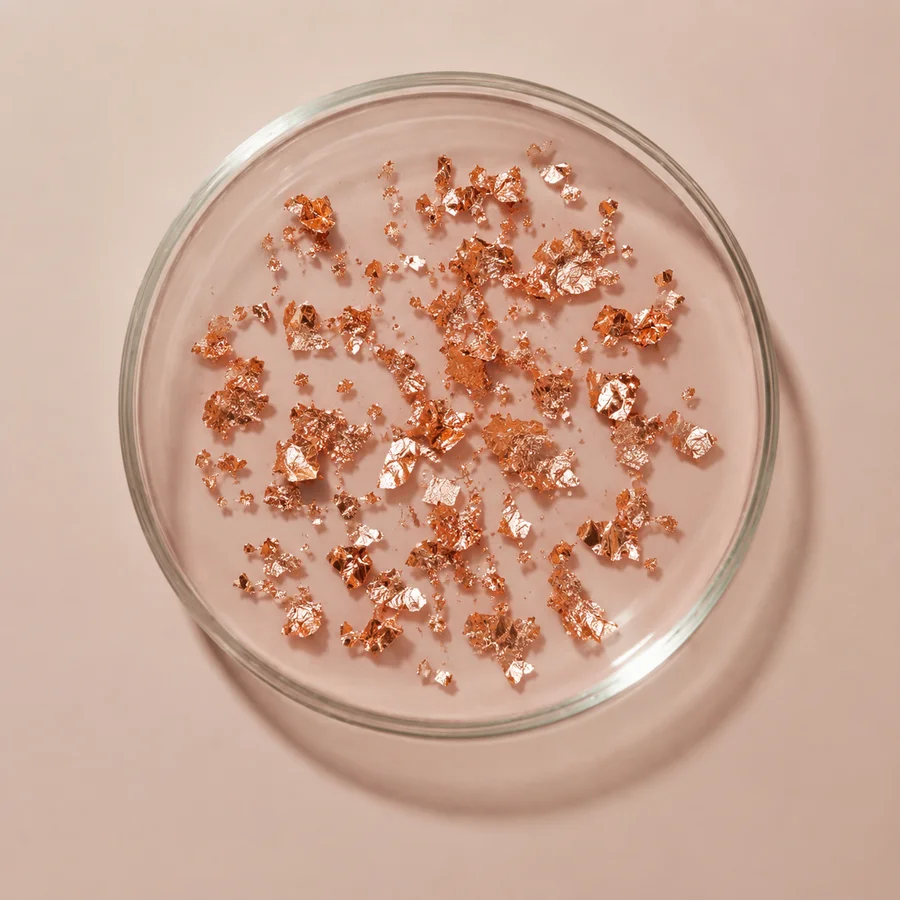
Active forms, because a third of women cannot convert the cheap ones
B12, B6 and methylfolate are what your marrow turns iron into: red cells that actually carry oxygen. We use body-ready forms so the step does not stall.
Energy tends to move first, often in the first two to three weeks. The ferritin number itself moves on a lab timeline: retest at 8 to 12 weeks and that is where you see it. Hair is last, usually around month three, because your body funds hair after everything else. Anyone promising you a different order is selling you something.
We use chelated ferrous bisglycinate, which is absorbed by a different route than ferrous sulfate and leaves far less loose iron in your gut. That is the difference between a bottle you finish and a bottle that ends up in the back of a drawer.
Pharmacy iron adds iron and stops there. The Ferritin Micro-Restore System™ adds lactoferrin to carry it, vitamin C to keep it absorbable and copper to lock it into storage. Absorb, carry, bank. Skip any one of the three and the reserve stays where it was.
Ferritin rebuilds on consistency, so a missed week costs you more than a missed dose. Either way you have 90 days. If it is not right for you, write to our support team and we will make it right.
Two things worth knowing before you order: the lactoferrin is derived from milk, so this is not for you if you have a dairy allergy. And if you are pregnant or nursing, take medication, or have an iron-related condition such as hemochromatosis, talk to your provider first. Iron is not a supplement to take blind.
Ask for serum ferritin before you start, then again at 12 weeks. That is the whole point. One capsule a day with water, away from coffee, tea and calcium, which all block absorption. If you have never had ferritin measured, ask for it by name: it is not on a standard blood count.
USA Orders are typically processed and delivered within 1–2 business days. International shipping usually takes 3–7 business days after your order ships, depending on your location.

Ninety days is one full rebuild plus a retest, which is exactly how long it takes to know. If your energy has not turned and your number has not moved, write to us and we refund every penny. No forms, no return shipping.